



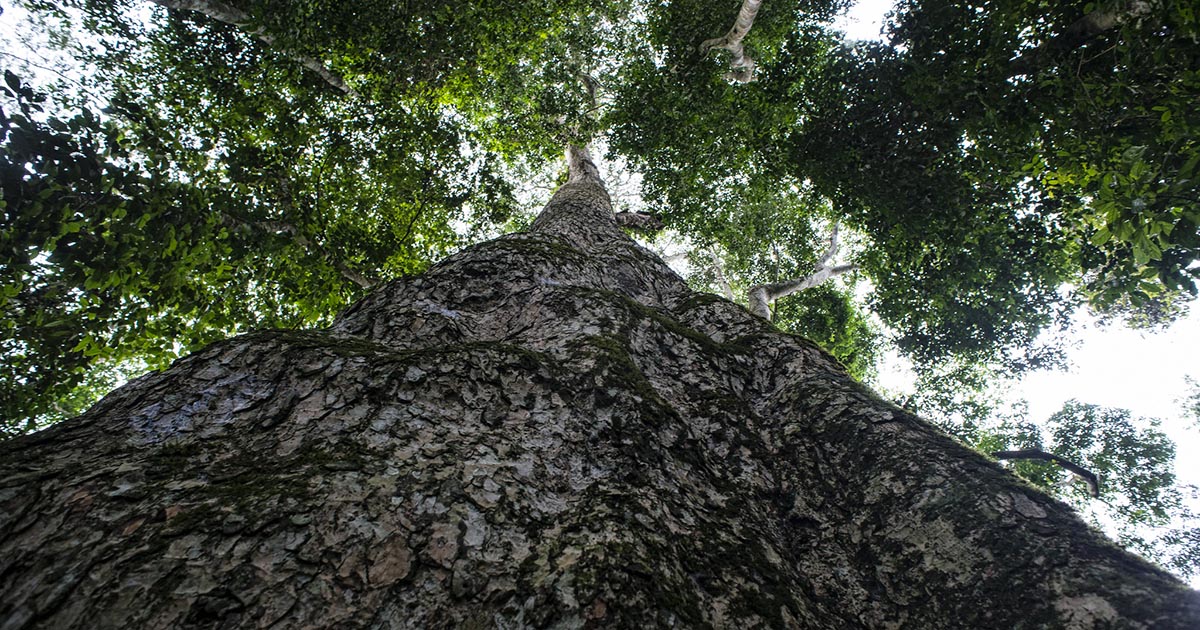


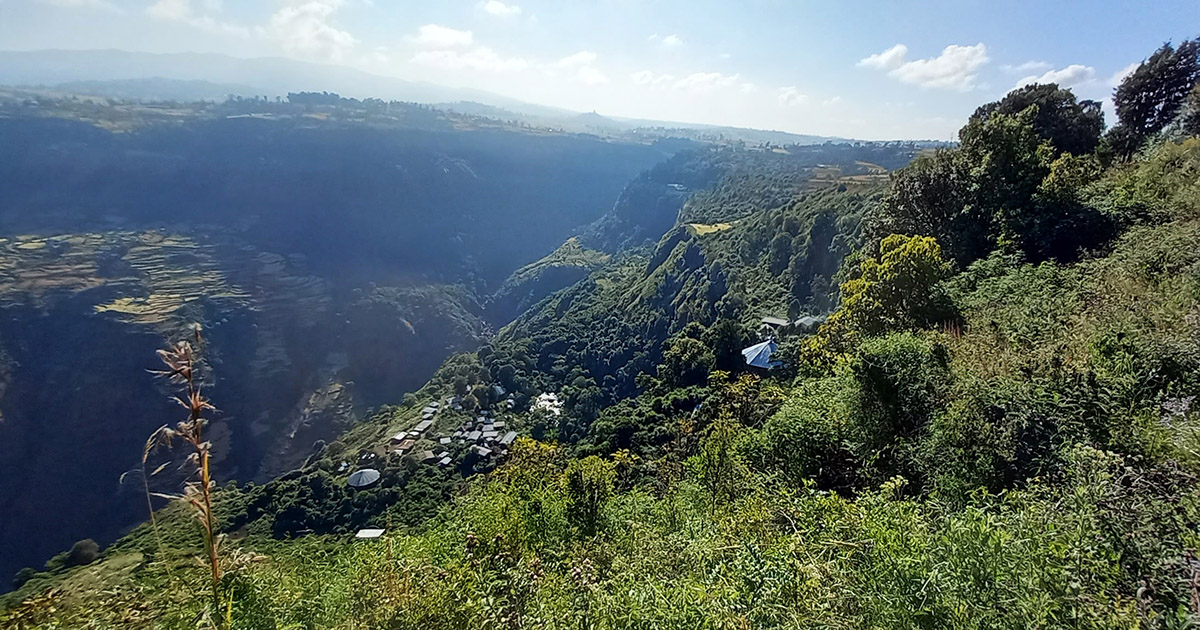



This study examined how human activities and environmental factors shape tree assemblages in tropical forests of Nigeria and Cameroon, focusing on differences between edible and inedible species. Using data from 66 forest plots collected between 2002 and 2019, species were classified through interviews and databases, and beta-diversity was analyzed using Generalised Dissimilarity Models. Results showed that environmental filtering had a stronger influence on species composition than dispersal limitation, with high species turnover (>90%) across plots. Elevation was a key driver for inedible species turnover, while forest composition shaped edible species assemblages, reflecting human selection patterns. Human presence affected beta-diversity of inedible species and turnover in edible species. These findings highlight the dominant role of local environmental conditions and human activity in structuring forest biodiversity, suggesting that conservation strategies should integrate sustainable land use and traditional ecological knowledge to address long-term anthropogenic impacts.

DOI:
https://doi.org/10.1111/ddi.70075Altmetric score:
Dimensions Citation Count:
Publication year
2025
Authors
Asuk, S.A.; Wayman, J.P.; Sadler, J.P.; Pugh, T.A.M.; Matthews, T.J.; Ebu, V.T.; Phillips, O.L.; Lewis, S.; Sonké, B.; Talbot, J.; Comiskey, J.; Zemagho, L.; Ojo, L.; Begne, S.; Taedoumg, H.; Sunderland, T.C.H.; Hubau, W.; Droissart, V.; Qie, L.; Gilpin, M.; Simo-Droissart, M.; Feldpausch, T.; Peh, K.S.H.; Banin, L.F.; Djuikouo Kamdem, M.N.; Kettridge, N.
Language
English
Keywords
forest trees, tropical forests, tree species, human activities, forest conservation, biodiversity conservation, indigenous knowledge, beta-diversity, elevational variability, forest composition
Source
Diversity and Distributions. 31 (8): e70075
Geographic
Cameroon, Nigeria