


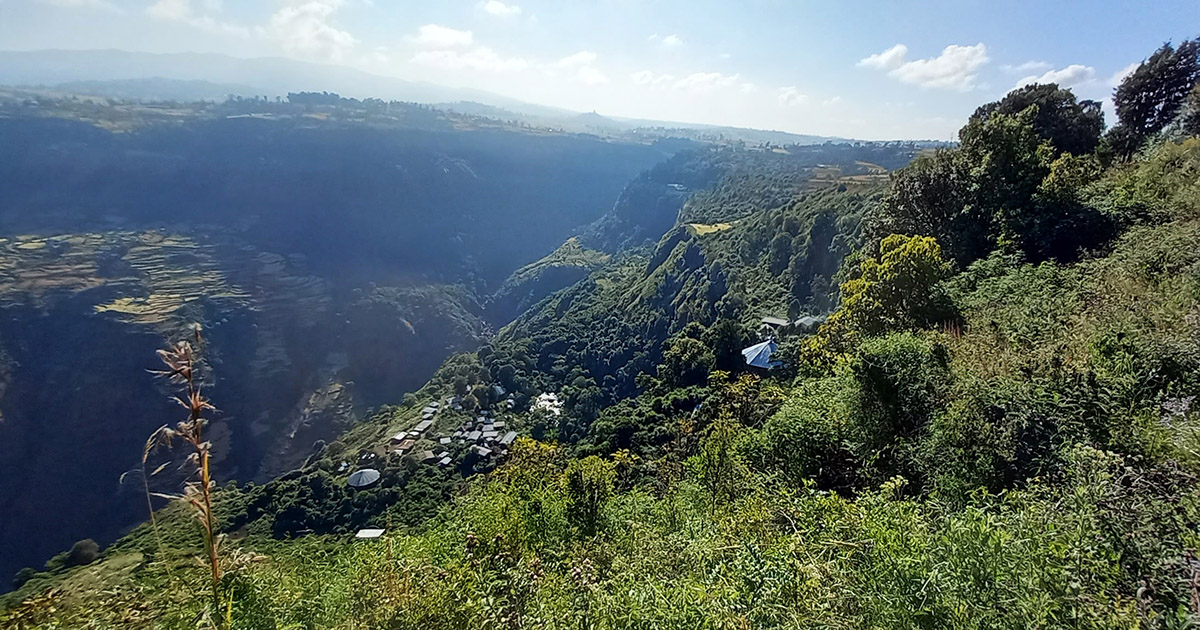



Based on a large-scale survey of 1216 households, this research examined the differential vulnerability of diverse ethnic groups who have traditionally inhabited the climate-sensitive area of Southwest China in the Eastern Himalayas. The livelihood vulnerabilities of five ethnic groups that reside across different ecological zones were evaluated and compared using the Livelihood Vulnerability Index (LVI) and Livelihood Vulnerability Index–Intergovernmental Panel on Climate Change (LVI–IPCC). Binary and multiple logistic regression models were used to analyze the effects of geography, income, and household characteristics on respondents' perceptions of the four most perceived climate events. The combined results of overall LVI and LVI–IPCC scores indicate that the Tibetan ethnic group is the most vulnerable to climate change, followed by the Bai, Han, Naxi, and Lisu. Intertwined biophysical, socioeconomic, and cultural factors affect climate change vulnerability. The ethnic groups residing in high-altitude, steep, and remote areas, as well as farmers with lower livelihood diversity and a smaller proportion of nonagricultural income, were indicated to be most severely affected by climate events. As a timely piece of evidence-based and policy-informed research for decision-makers, the findings represent a clarion call for deepening understanding of cultural differences between ethnic minorities in order to properly mitigate the effects of climate change.


CIFOR–ICRAF publishes over 750 publications every year on agroforestry, forests and climate change, landscape restoration, rights, forest policy and much more – in multiple languages.

Explore upcoming and past events across the globe and online, whether hosted by CIFOR-ICRAF or attended by our researchers.